
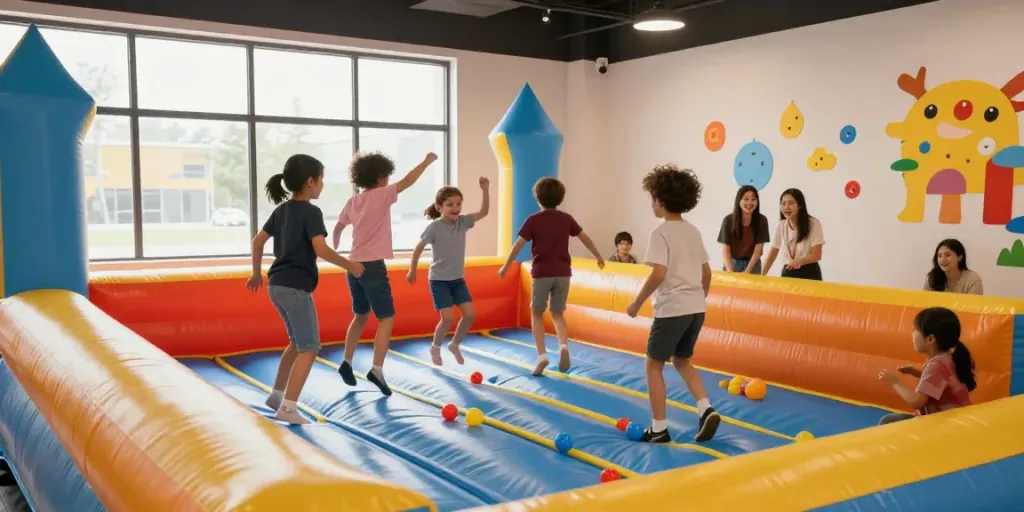
Understanding Indoor Bounce Houses
Indoor bounce houses have rapidly become a favorite among parents looking to provide their children with a safe and enjoyable play environment. These inflatable structures offer a unique blend of fun, exercise, and creativity, making them ideal for various occasions, including birthday parties, playdates, and rainy days. In an age where physical activity is increasingly important for child development, an indoor bounce house represents an exciting way to engage kids in active play within the confines of their own home.
What is an Indoor Bounce House?
An indoor bounce house is an inflatable structure designed specifically for jumping, bouncing, and engaging in various recreational activities. Typically made from durable vinyl or nylon, these bounce houses can be inflated quickly, providing an instant play space. They come in various shapes, sizes, and themes, catering to different age groups and occasions. Unlike outdoor bounce houses, which are often used in backyards and parks, indoor versions are compact, allowing for use in garages, basements, or large indoor spaces.
Benefits of Indoor Bounce Houses for Kids
- Physical Exercise: Jumping in a bounce house can help improve cardiovascular health, enhance muscle development, and increase coordination.
- Social Skills: Bounce houses can encourage cooperative play among children, fostering friendships and teamwork as they bounce together.
- Cognitive Development: Engaging in imaginative play within a bounce house can stimulate creativity and problem-solving skills.
- Safe Play Environment: Bounce houses provide a soft landing surface, reducing the risk of injuries associated with physical play.
Common Safety Concerns with Indoor Bounce Houses
While bounce houses are generally safe, certain precautions must be taken to ensure children's safety during play:
- Overcrowding can lead to accidents, so it's essential to monitor the number of kids using the bounce house at once.
- Supervision is key. An adult should always be present to oversee play and enforce rules.
- Ensure that children play within their age and size limits to prevent injury.
- Regularly check the inflatable for leaks, punctures, or equipment failure to avoid accidents.
Choosing the Right Indoor Bounce House
Finding the perfect indoor bounce house for your space can be overwhelming, given the myriad options available. When shopping, consider factors like size, safety features, and ease of setup to ensure that the bounce house you choose meets your family’s needs.
Factors to Consider When Selecting an Indoor Bounce House
- Size: Measure the space where you plan to set up the bounce house. Make sure to allow for additional space around the inflatable to avoid collisions with walls or furniture.
- Weight Limit: Always check the manufacturer's weight limit to ensure safety and avoid overcapacity.
- Theme and Style: Selecting a bounce house with a theme can enhance your child's play experience and creativity.
- Materials: Look for bounce houses made from durable and puncture-resistant materials to ensure longevity.
Best Indoor Bounce House Features for Safety
When selecting an indoor bounce house, prioritize safety features:
- Reinforced seams: Ensure the materials are stitched securely to withstand wear and tear.
- Safety netting: Look for bounce houses with high netting walls to prevent falls.
- Secure anchoring: Some models come with anchoring points to keep them stable during use.
- Easy access: A safe entry and exit point, like a ramp or slide, is crucial for maintaining safety.
Popular Brands and Models in 2026
As of 2026, several brands are recognized for their quality indoor bounce houses:
- Little Tikes: Known for their durable and kid-friendly designs, Little Tikes bounce houses are a popular choice among parents.
- Blast Zone: Offering a wide variety of themed bounce houses, Blast Zone also focuses heavily on safety and ease of use.
- Intex: This brand provides inflatable bounce houses that are budget-friendly without compromising on quality.
- Skywalker: With a range of models featuring safety nets and sturdy materials, Skywalker is a go-to for parents prioritizing safety.
Setting Up Your Indoor Bounce House
Proper setup is critical for maximizing the fun and safety of your indoor bounce house. This section will guide you through the optimal locations and preparations necessary for creating a safe play environment.
Optimal Locations for Indoor Bounce Houses
- Spacious Rooms: Large family rooms or basements are ideal for bounce houses due to their floor space and ceiling height.
- Garages: A garage can provide ample room and can be ventilated easily, ensuring a comfortable environment.
- Playrooms: If you have a dedicated playroom, this is a perfect spot, as it’s already designed for children's activities.
Preparing Your Space for Safe Play
Before inflating the bounce house, prepare the play area:
- Clear the space of furniture and sharp objects to prevent injuries.
- Ensure the floor is clean to avoid slips or falls.
- Check the ceiling height to make sure there is enough clearance for jumping kids.
- Consider ventilation or air conditioning to keep the area comfortable during play.
Common Mistakes During Setup
Avoid these common pitfalls to ensure safe play:
- Neglecting to anchor the bounce house properly, which can lead to it sliding or tipping over.
- Underestimating the available space, which may lead to overcrowding or dangerous conditions.
- Forgetting to supervise children while they are playing, leading to unattended safety concerns.
Maintaining Your Indoor Bounce House
Regular maintenance is vital to keep your indoor bounce house in optimal condition and ensure safety during play. Here's how to keep it clean and functional:
Regular Safety Inspections and Maintenance Tips
- Inspect the bounce house for punctures or leaks before each use.
- Check inflatable seams and connections to ensure they are secure.
- Look for any mold or mildew, particularly if the bounce house has been stored for a while.
Cleaning and Sanitizing Your Bounce House
Keeping the bounce house clean is essential for health and safety:
- Use a mild soap solution and a soft cloth to clean the surface after each use.
- Allow it to dry completely to prevent mold growth before storing it away.
- Consider using a sanitizing spray designed for inflatable structures to keep bacteria at bay.
Storing Bounce Houses Properly Between Uses
When not in use, proper storage will extend the lifespan of your bounce house:
- Ensure it is completely dry before folding and storing to prevent mildew.
- Store it in a cool, dry place away from direct sunlight and sharp objects.
- Use the original carrying bag or a similar storage solution to protect it from damage.
Maximizing Fun and Safety in Play
Creating an engaging environment is just as important as ensuring safety in your indoor bounce house. Here are some tips to enhance both fun and safety:
Creative Games and Activities for Bounce Houses
- Obstacle Course: Set up soft barriers or use cones to create a mini obstacle course within the bounce house.
- Jump and Count: Encourage kids to count their jumps, which combines physical activity with cognitive skills.
- Treasure Hunt: Hide soft balls or plush toys inside the bounce house for kids to find while jumping.
Understanding Age and Weight Limits
Every bounce house comes with specific age and weight recommendations:
- Check the manufacturer's guidelines to ensure that children using the bounce house are within the specified limits.
- Consider grouping children by age or size when they are all playing in the bounce house to ensure everyone's safety.
Tips for Supervising Bounce House Play
To keep play safe and fun, adults should:
- Establish rules for play, such as no flipping or roughhousing.
- Monitor the number of kids playing at one time to prevent crowding.
- Be available to intervene if play becomes too rough or if someone gets hurt.
What Size Indoor Bounce House Should I Choose?
Choosing the right size for your bounce house depends on the available space and the number of kids using it:
- For small spaces, select compact designs that can comfortably fit without overcrowding.
- For larger groups, opt for bigger models that allow for more jumpers at once.
- Always refer to the manufacturer's recommendations for minimum space requirements and maximum occupancy.
How Can I Ensure My Bounce House Meets Safety Standards?
To confirm that your indoor bounce house is safe:
- Purchase products from reputable brands known for high safety standards.
- Look for certifications or safety testing disclosures from manufacturers.
- Follow all setup and usage guidelines provided in the owner's manual.