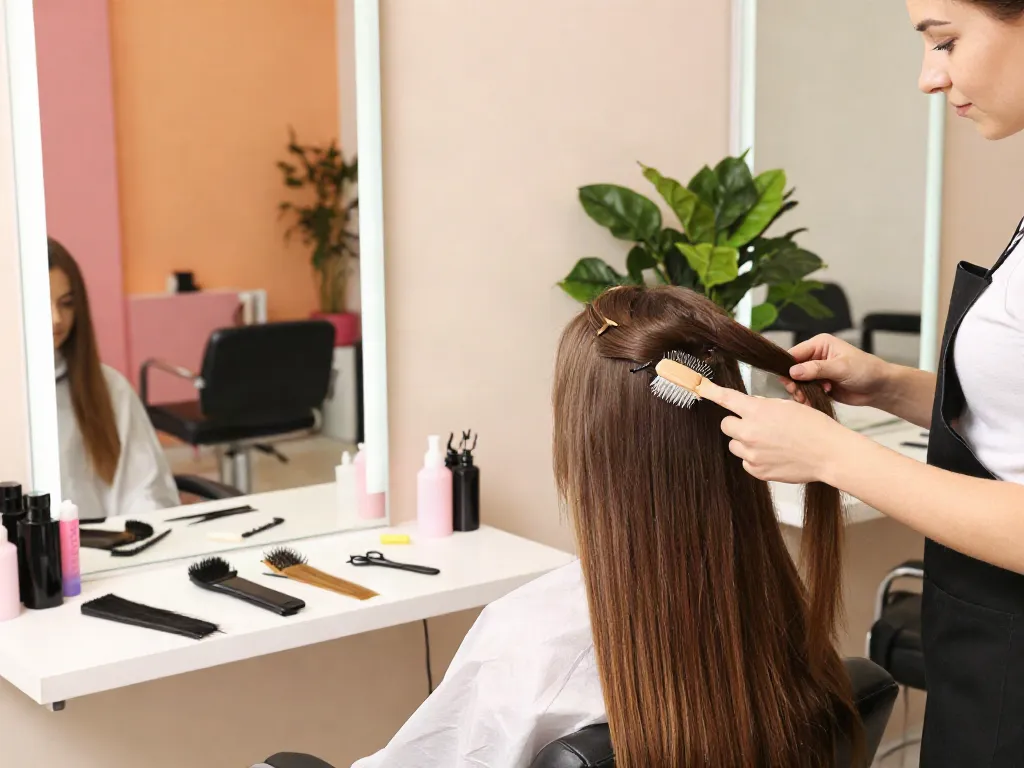
Understanding No Damage Hair Extensions
In the beauty and hair care industry, achieving the perfect look while maintaining the health of your hair is paramount. Hair extensions have become a popular solution for adding length and volume, but many are concerned about the damage that traditional methods can inflict on natural hair. This is where the concept of no damage hair extensions comes into play. These innovative extensions are designed to enhance your appearance without compromising the integrity of your natural hair, allowing you to enjoy the benefits of long, luscious locks without fear of breakage or thinning.
What Are No Damage Hair Extensions?
No damage hair extensions refer to various types of extensions that are applied in a way that minimizes the risk of harm to the wearer’s natural hair. Unlike traditional methods that may involve adhesives, heat, or heavy weights, no damage extensions use innovative application techniques designed to provide a secure fit while preventing tension on the hair. Popular options include clip-in, tape-in, and halo extensions, each offering unique advantages tailored to different hair types and lifestyles.
Benefits of Using No Damage Hair Extensions
- Preservation of Natural Hair Health: One of the key benefits of no damage hair extensions is that they help maintain the health and vitality of your natural hair. By avoiding harsh adhesives and heat, these extensions can be used without causing breakage or thinning.
- Instant Transformation: No damage extensions provide immediate results, allowing you to achieve your desired look in a matter of minutes. Whether you desire length, volume, or a splash of color, these extensions can deliver stunning transformations.
- Versatility: With no damage extensions, you can experiment with different styles and colors without a long-term commitment. This flexibility allows you to change your look based on the occasion or your mood.
- Easy Application: Many no damage extension methods, such as clip-ins, are user-friendly, making them accessible for at-home application. This convenience saves time and money on salon visits.
Common Myths About Hair Extensions
Despite the growing popularity of hair extensions, several myths persist that may deter individuals from trying them. One common misconception is that all extensions damage hair. While it's true that some methods can be harmful, no damage hair extensions offer alternatives that prioritize hair health. Additionally, some believe that hair extensions are only suitable for those with thick hair, but in reality, there are options designed specifically for fine or thinning hair. Understanding these myths can help individuals make more informed choices regarding their hair care.
Comparing Different Methods of Hair Extensions
Clip-In Extensions: A Non-Damaging Option
Clip-in extensions are often regarded as the least damaging option available. They attach to your natural hair using small clips and can be removed easily, making them an ideal choice for those who want a temporary boost in length or volume without the commitment. The absence of glue or heat during application ensures that your natural hair remains unharmed, allowing for a flexible styling option.
Tape-In Extensions: Convenience Without Compromise
Tape-in extensions are another popular choice, known for their seamless application. These extensions are applied using a special adhesive tape that is designed to be gentle on the hair. When fitted properly, tape-ins can lay flat against the scalp, creating a natural look while distributing weight evenly to prevent strain on any one area. Regular maintenance appointments are required, but when cared for correctly, they can be a safe and stylish choice for those looking for longer-lasting extensions.
Sew-In Extensions: Are They Really Damage-Free?
Sew-in extensions can be a convenient option for those with thicker hair, as they involve braiding the natural hair and sewing the extensions in place. However, this method can sometimes create tension on the scalp and natural hair, leading to potential damage over time. To minimize risks, it’s essential to have a professional stylist assess your hair type and condition before choosing this method. With proper care and installation, sew-in extensions can be managed without severe damage.
Choosing the Right Extensions for Your Hair Type
Assessing Your Hair's Condition
Before choosing any hair extension method, it’s crucial to assess the condition of your natural hair. Hair that is already damaged or prone to breakage may not be suitable for certain types of extensions. Consulting with a professional stylist can help determine the best approach based on your hair health.
How to Match Extensions with Your Natural Hair
Ensuring that hair extensions match your natural color and texture is critical for a cohesive and natural look. When selecting extensions, consider various factors such as color matching, curl pattern, and thickness to ensure that they blend seamlessly with your existing hair. Most extension brands offer color matching services to help you find the perfect shade.
Consultation Tips for Best Results
Before committing to hair extensions, schedule a consultation with an experienced stylist knowledgeable about no damage options. Discuss your hair goals, lifestyle, and any concerns you may have. A professional can help you select the best type of extensions and application technique tailored specifically to your needs.
Application Techniques for No Damage Hair Extensions
Step-by-Step Guide to Applying Clip-In Extensions
Applying clip-in extensions is straightforward and can be done at home. Start by sectioning your hair, securing the top portion. Next, open the clips on the extension, position it at the root of the section, and gently press the clips closed. Smooth your natural hair over the extension to blend seamlessly. Repeat this process until you've achieved your desired volume and length.
Best Practices for Tape-In Extension Application
For tape-in extensions, it’s best to enlist the help of a professional stylist to ensure proper placement. The stylist will isolate a small section of your natural hair, apply the adhesive tape, and then sandwich it with a second tape-in extension. This technique minimizes damage and ensures a secure fit. Regular maintenance is vital to maintaining the integrity of both your natural hair and the extensions.
Maintaining Health During Sew-In Procedures
When getting sew-in extensions, it’s vital to ensure that your braids are not too tight, as this can cause tension and possible damage. Use a soft braid pattern and allow for natural movement of your hair. Regularly check in with your stylist to ensure that the extensions are not putting undue stress on your scalp or natural hair.
Care and Maintenance for Long-Lasting Results
Daily Care Tips for No Damage Hair Extensions
Caring for your no damage hair extensions is essential for longevity. Use sulfate-free shampoos and conditioners to avoid stripping your extensions of moisture. Gently brush your extensions daily to prevent tangling, starting from the ends and working your way up to the roots. Avoid excessive heat styling; instead, opt for heat protectants when necessary.
How to Wash and Style with Extensions Safely
When washing your hair with extensions, it’s important to avoid saturating the bonds of tape-in extensions. Instead, focus on washing your scalp and allowing the water to rinse through the lengths. For styling, use low heat settings and consider air-drying to minimize potential damage to both your extensions and natural hair.
Signs It’s Time to Replace Your Extensions
Over time, even the best quality extensions may show signs of wear. If you notice excessive shedding, tangling, or a change in texture that does not respond to care, it may be time to replace your extensions. Regular maintenance and careful observation can help you determine if and when to swap out your extensions.
Why Choose No Damage Hair Extensions?
The decision to choose no damage hair extensions ultimately comes down to the health of your hair and your comfort level with traditional methods. With the rise of innovative extension techniques that prioritize hair health, you can achieve your desired look while minimizing the risk of damage.
Are No Damage Hair Extensions Worth the Investment?
Investing in no damage hair extensions can be worthwhile, especially if you're looking for longevity and the preservation of your natural hair health. While they may come at a higher price point than traditional options, the benefits they offer—particularly concerning hair integrity—make them a smart choice for many individuals seeking beautiful hair without the negative side effects.
How Long Can You Wear Extensions Without Damage?
The duration for which you can wear no damage hair extensions without causing harm varies based on your hair type and the method used. Generally, well-cared-for extensions can last anywhere from six to twelve weeks, after which maintenance or replacement is recommended to ensure your natural hair remains healthy.
How to Ensure a Comfortable Fit for Extensions?
To ensure a comfortable fit, always choose extensions that suit your hair type and structure. Avoid overly tight applications, and opt for adjustable options like clip-ins when possible. Your extensions should feel secure but not restrictive, allowing for natural movement and comfort.
What to Look for in Quality Hair Extensions?
When searching for quality no damage hair extensions, consider the material, whether they are made from human hair or synthetic fibers. Human hair tends to blend better with natural hair and can be styled more readily. Additionally, look for extensions with good reviews regarding their durability and ease of maintenance.