
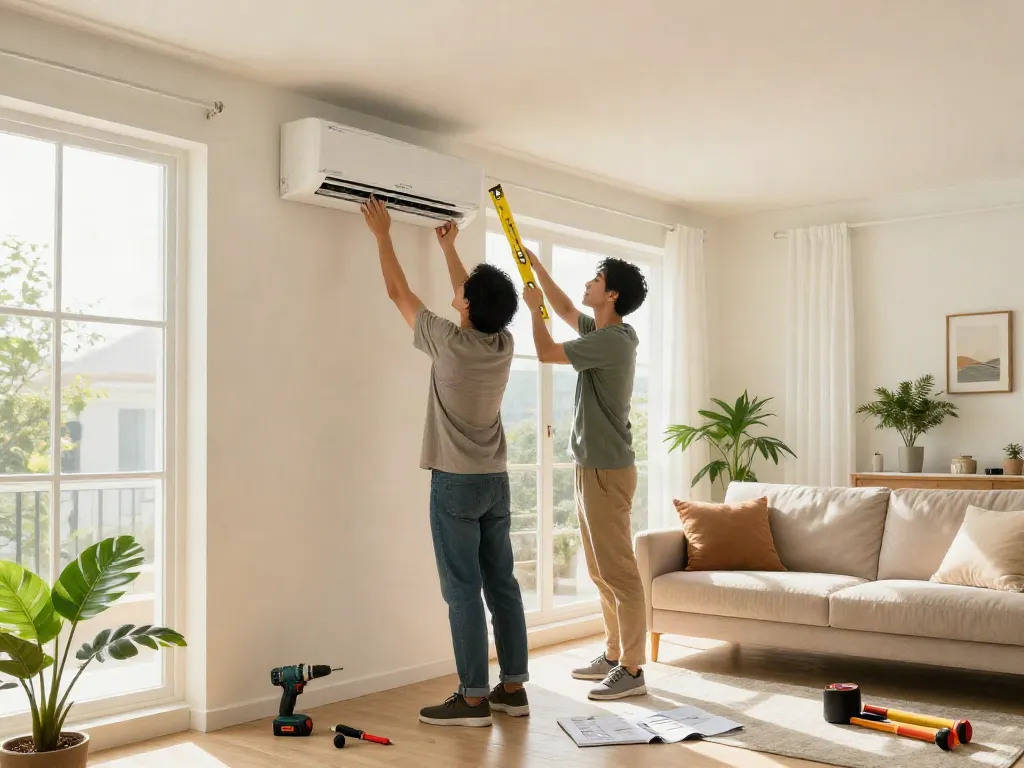
Understanding Mini Split Air Conditioners
Mini split air conditioners have gained significant popularity over the years due to their efficiency and versatility. These systems, which consist of an outdoor compressor unit and one or more indoor air handling units, allow for precise temperature control in individual rooms, making them an excellent choice for homeowners looking to save on energy costs while maintaining comfort. When exploring options, mini split systems provide comprehensive insights into the benefits they offer.
What is a Mini Split System?
A mini split system, also known as a ductless mini-split, is an advanced heating and cooling system that operates without the need for traditional ductwork. Instead, it uses refrigerant lines that connect the outdoor unit to indoor air handlers, allowing for efficient temperature control in specific areas of a home or office. This ductless design not only reduces energy loss associated with traditional HVAC systems but also simplifies installation, making it a popular option for renovations, additions, or homes without existing ductwork.
Benefits of Mini Split Systems for Homeowners
One of the most compelling benefits of mini split systems is their ability to provide zoned heating and cooling, which allows homeowners to set different temperatures for different rooms. This feature can lead to substantial energy savings as it reduces the need to heat or cool unused spaces. Additionally, mini splits operate quietly, providing a comfortable environment without the disruptive noise often associated with traditional HVAC units.
- Energy Efficiency: Mini splits often boast high SEER (Seasonal Energy Efficiency Ratio) ratings, making them considerably more energy-efficient than conventional HVAC systems.
- Flexible Installation: The compact design of mini split units makes them suitable for various spaces, including apartments and older homes.
- Improved Air Quality: By avoiding ductwork, mini splits reduce the accumulation of dust and allergens, improving indoor air quality.
Energy Efficiency and Cost Savings
While the initial investment in a mini split system may be higher than traditional units, the long-term savings on energy bills often justify the expense. Many modern mini splits include inverter technology, which allows the compressor to adjust its speed based on the cooling or heating demand, leading to significant energy savings. In fact, homeowners can expect to see anywhere from 30% to 50% savings on their heating and cooling costs compared to conventional systems.
Installation Basics for Mini Split Air Conditioners
How to Choose the Right Location for Installation
Choosing the correct location for installing mini split units is crucial for optimal performance. Ideally, the indoor air handlers should be positioned in areas where airflow can circulate freely and along external walls to minimize refrigerant line length. Homeowners should also consider the aesthetics, as the placement of these indoor units can impact the overall look of a room. It's advisable to consult with a professional installer to determine the best locations based on the layout of your home.
Key Steps for Installing a Mini Split System
The installation of a mini split system involves several key steps, including:
- Site Survey: A professional should conduct a site survey to determine the best locations for the indoor and outdoor units.
- Mounting the Indoor Unit: The indoor unit is mounted on the wall, and brackets are secured to support the weight.
- Installing the Outdoor Unit: The outdoor compressor is placed on a stable surface, ensuring it's away from direct sunlight and high-traffic areas.
- Connecting the Refrigerant Lines: Refrigerant lines and electrical wiring are run between the indoor and outdoor units, which is typically done through a small hole in the wall.
- Testing the System: Once everything is connected, the technician will test the system to ensure it operates correctly.
Common Installation Mistakes to Avoid
While installing a mini split system is straightforward, homeowners should avoid common pitfalls such as:
- Poor Placement: Installing units in locations with restricted airflow can lead to inefficiency and poor performance.
- Incorrect Sizing: Choosing the wrong size system can result in inadequate heating or cooling, increasing energy bills.
- Neglecting Local Codes: Failing to adhere to local building codes or regulations can result in legal issues and additional costs.
Maintenance Tips for Optimal Performance
Routine Maintenance Tasks for Mini Split Systems
To keep a mini split system running efficiently, routine maintenance is essential. This includes:
- Cleaning the Filters: Regularly clean or replace the air filters to ensure optimal airflow and efficiency.
- Inspecting the Drain Line: Check the condensate drain line for blockages to prevent water damage.
- Cleaning the Outdoor Unit: Remove debris from around the outdoor unit to maintain airflow and performance.
Diagnosing Common Issues and Solutions
Homeowners may encounter several common issues with mini split systems, including:
- Inadequate Cooling/Heating: This may be due to dirty filters, low refrigerant levels, or incorrect settings.
- Noisy Operation: Unusual noises can indicate loose or damaged components, necessitating professional inspection.
- Leaks: Any signs of refrigerant leaks should be addressed immediately by a qualified technician.
When to Call a Professional Technician
While many maintenance tasks can be performed by homeowners, situations that require specialized knowledge, such as refrigerant issues or complex electrical problems, should be handled by a licensed HVAC technician. Regular professional inspections can also help identify potential issues before they become significant problems, prolonging the lifespan of your system.
Comparing Mini Split Systems to Traditional HVAC
Cost Comparison: Mini Split vs. Central AC
When comparing the costs of mini split systems to traditional central air conditioning, it's essential to consider both initial installation costs and long-term operational expenses. While mini splits may have a higher upfront cost, their energy efficiency often results in lower utility bills over time, making them a cost-effective solution in the long run.
Performance Analysis in Various Climate Conditions
Mini split systems are designed to perform well in a variety of climates. They can operate efficiently in both high and low temperatures, making them suitable for diverse geographic locations. Additionally, many modern systems are equipped with features that allow them to efficiently heat and cool even in extreme weather conditions.
Long-Term Benefits of Mini Split Technology
The long-term benefits of mini split technology extend beyond cost savings. They include greater flexibility in home design, improved air quality, and increased property value. As homeowners prioritize energy efficiency and comfort, mini splits are likely to remain a popular choice for residential heating and cooling solutions.
Future Trends in Mini Split Technology
Innovations in Energy Efficiency for 2026
As we look ahead to 2026, advancements in energy efficiency are set to transform mini split technology. Innovations such as smart thermostats and AI-driven climate control systems could enhance user experience, enabling homeowners to optimize their energy use more effectively. Additionally, developments in refrigerant technology promise to further reduce environmental impact while maintaining performance.
Sustainability Trends Impacting Mini Split Systems
With growing concerns about climate change, sustainability is becoming a critical focus in the HVAC industry. Mini split manufacturers are increasingly designing systems that use eco-friendly refrigerants and materials, and consumers are more interested in systems that minimize environmental impact. This trend is expected to shape the future landscape of HVAC technology significantly.
Expert Predictions for the Mini Split Market
Industry experts predict that the mini split market will continue to expand, driven by increased consumer demand for energy-efficient and versatile heating and cooling solutions. As more homeowners recognize the benefits of these systems, new models with even greater efficiencies and enhanced features are likely to emerge, making them an increasingly attractive option for residential use.
What are the disadvantages of a mini split?
Despite their numerous advantages, mini split systems have some disadvantages. These can include higher upfront costs compared to traditional systems and the aesthetic impact of indoor units on home decor. Additionally, installation can require specialized knowledge, which may necessitate hiring a professional, further increasing costs.
Are mini splits really worth it?
For many homeowners, the energy efficiency, flexibility, and precise control offered by mini splits make them worth the investment. While the initial cost may be higher, the potential savings on energy bills and the benefits of customized comfort can outweigh the drawbacks.
What does a mini split usually cost?
The cost of a mini split system can vary widely based on factors like capacity, brand, and installation requirements. On average, homeowners might expect to pay between $2,000 and $5,000 for a complete system, including installation. However, prices can fluctuate depending on the complexity of the installation and regional labor costs.
Do mini splits work in 100 degree weather?
Yes, mini split systems are designed to operate efficiently in extreme temperatures, including 100-degree weather. The inverter technology used in many modern mini splits allows them to maintain performance under high heat by adjusting compressor speed to meet cooling demands effectively. As a result, homeowners can rely on mini splits for consistent comfort, regardless of outdoor temperatures.